

View the latest family planning advocacy news from our partners.
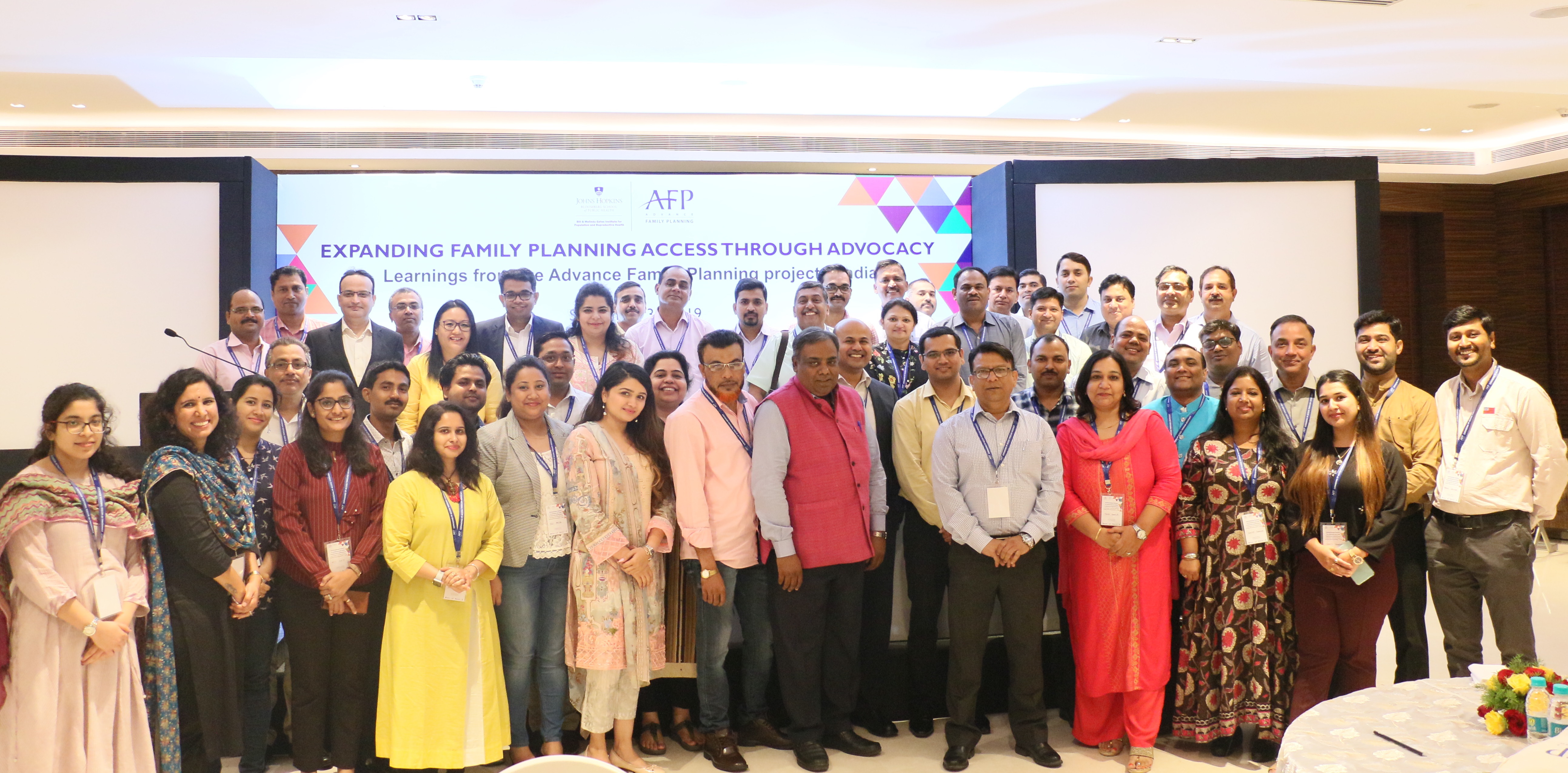
On September 30, 2019, government officials from Assam, Bihar, Jharkhand, Maharashtra, Rajasthan and Uttar Pradesh committed to expanding access to quality family planning by sustaining local advocacy working groups. They made the commitments during a commemoration seminar held by the Advance Family Planning initiative and its partners, Foundation for Reproductive Health Services India, Jhpiego, Pathfinder International, and Population Foundation of India, to mark five years of advocacy achievements.
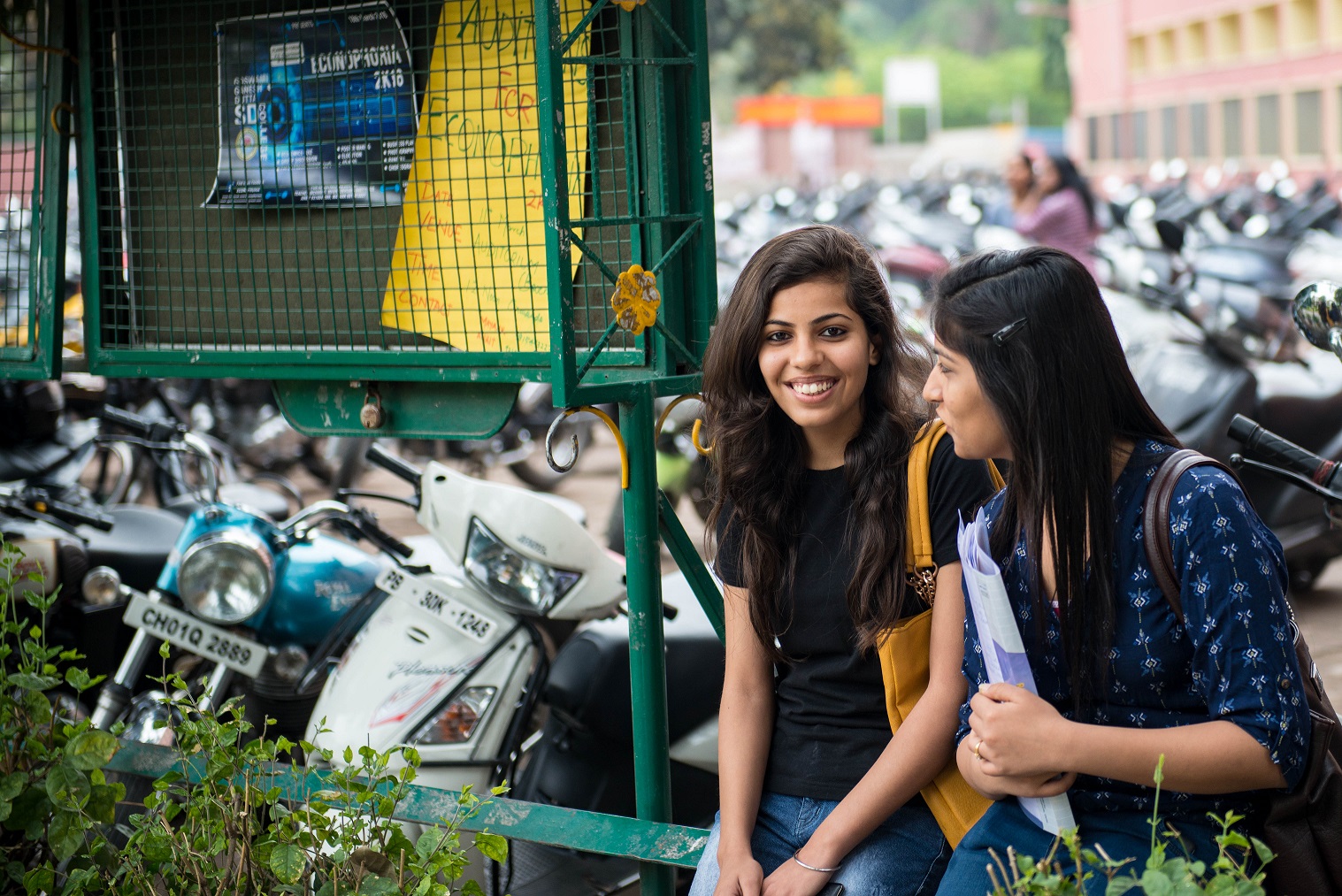
On September 27, 2018, the Governing Board of the State Innovations in Family Planning Services Project Agency (SIFPSA)[1] approved a proposal to establish youth centers in 40 colleges across Uttar Pradesh. The proposal included a budget of 14.8 million Indian rupees (INR) (US $207,500) and an operational plan for all 18 divisions in the state.
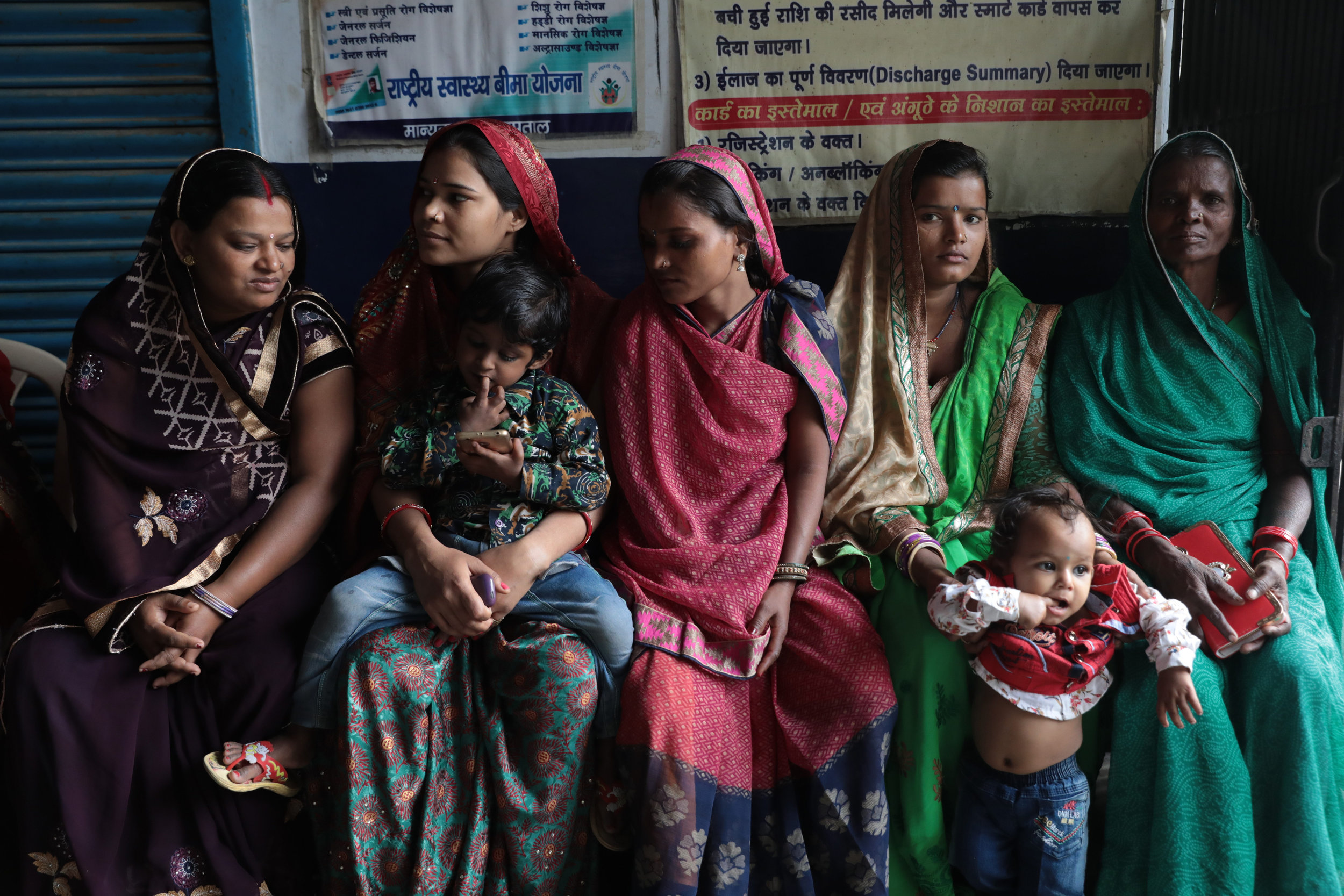
The Jhansi district of Uttar Pradesh, India strengthened 11 facilities to provide quality female sterilization services between May and October 2017, eight of which began providing the services for the first time. Fixed day services (FDS) ensure that quality female sterilization services are available on a designated day every week, all year long rather, than only during particular months of the year.
Twenty-five health sub-centers in the Sitapur district of Uttar Pradesh, India that initiated fixed day services (FDS) for intra-uterine device (IUD) services are beginning to see results. Uptake of IUDs increased 30-fold, from 20 insertions between July 2016 and June 2017 to 685 insertions between July 2017 and June 2018.
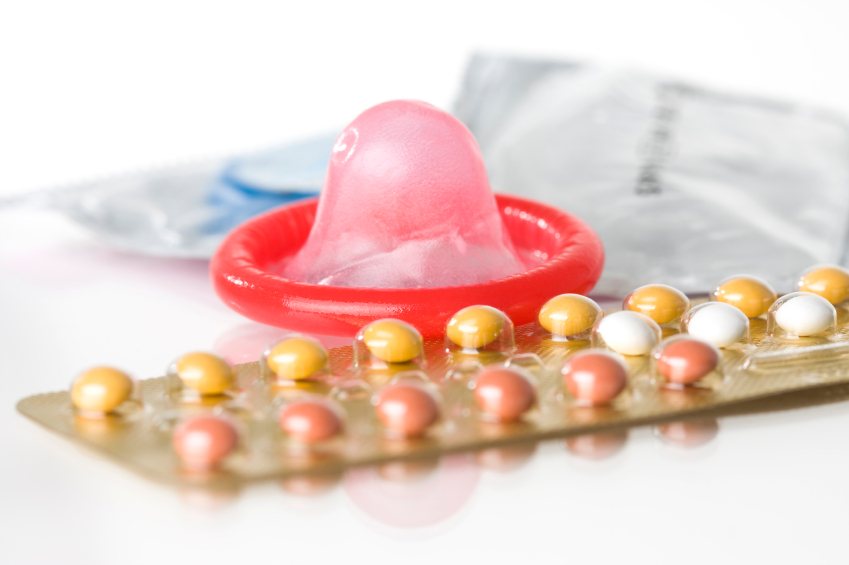
After a year-long gap without replenished family planning supplies, India’s Uttar Pradesh state Director of Family Welfare and Health enabled the supply of commodities in the Mau district. In December 2017, Mau and two additional districts from the Azamgarh Division were supplied with approximately 1.5 million condoms, 140,000 packets of oral contraceptive pills, 48,900 pregnancy testing kits, and 14,500 falope rings used for sterilization. Moreover, a smoother process with oriented stakeholders will allow for regular replenishment.
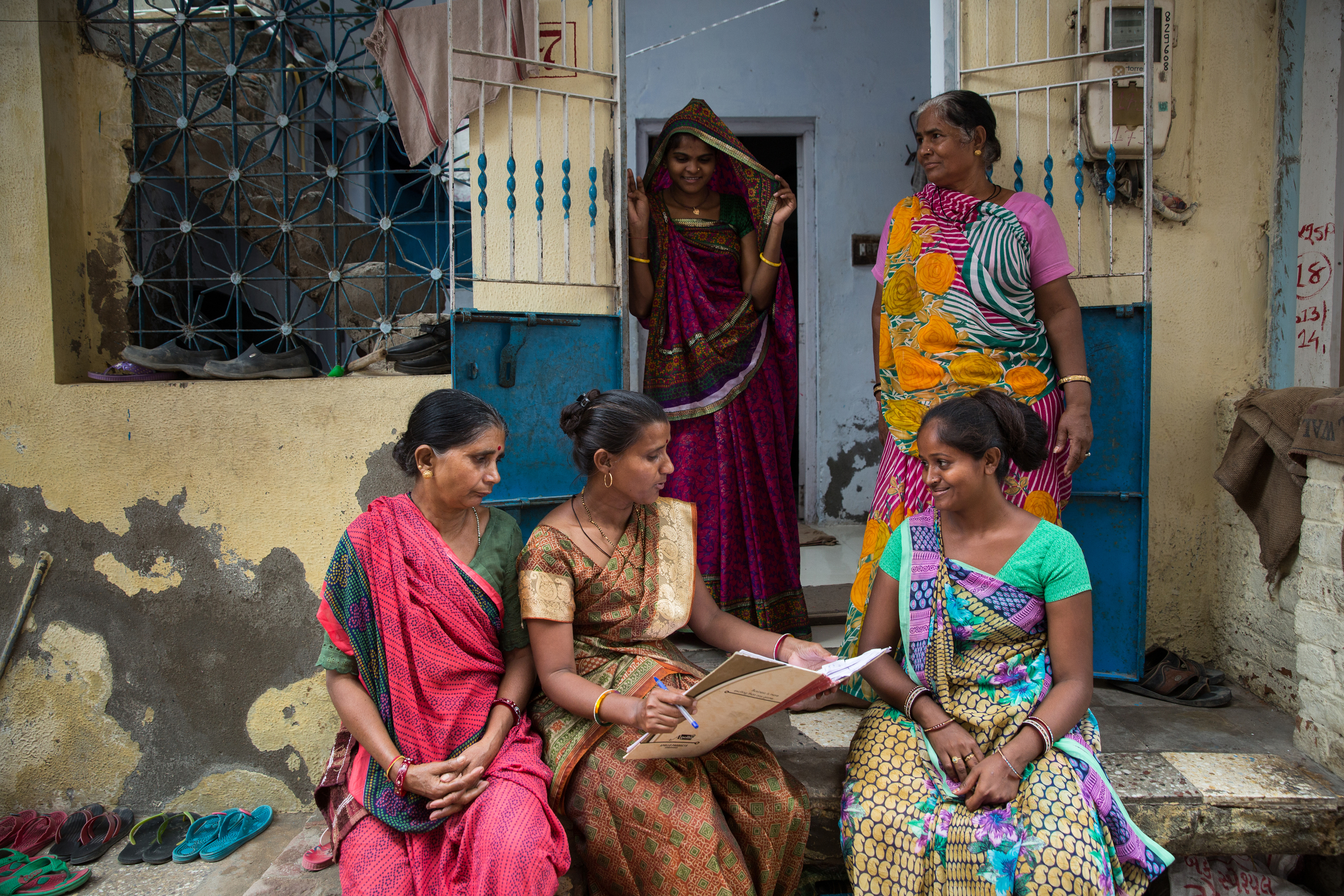
Between December 2017 and January 2018, 13 private health facilities and clinics in Uttar Pradesh’s Sultanpur district began providing free family planning counseling and services on one day every month. The services include provision of intrauterine devices (IUDs), condoms, and oral contraceptive pills. Private health facilities and clinics typically provide these services at a cost to clients.
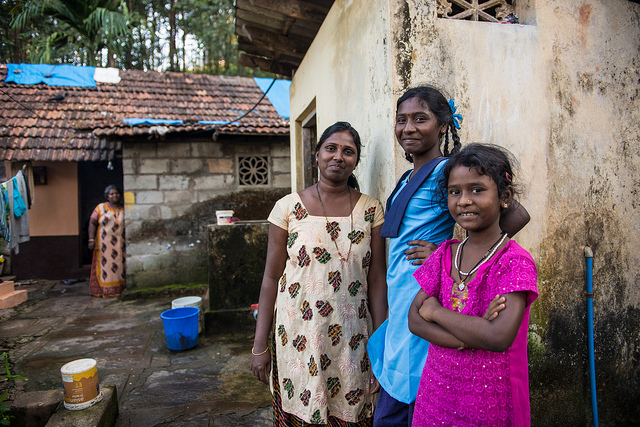
India’s Jhansi district will now offer intrauterine device (IUD) services in five urban primary health centers for the first time, thanks to a letter sent by the Chief Medical Officer in September 2017. Prior to this expansion, health centers offered only pills, condoms, and emergency contraception as family planning methods.
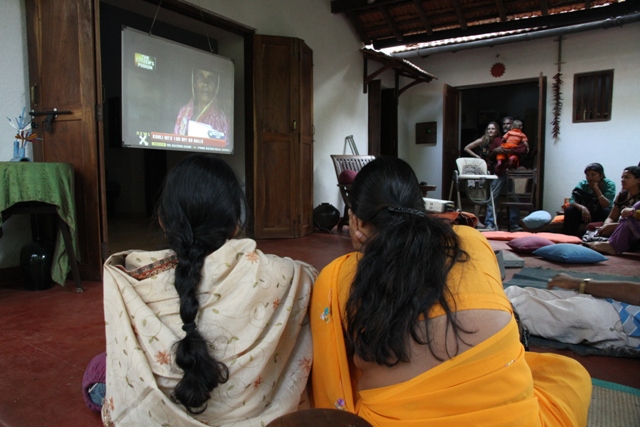
India’s Agra district Department of Information & Broadcasting (I & B) committed to air key information developed by the Department of Health and Family Welfare on the availability of family planning services for men. After running informative messaging from August to October 2017 on five local television channels and in five leading newspapers, I & B recently extended the contract for an additional five months.
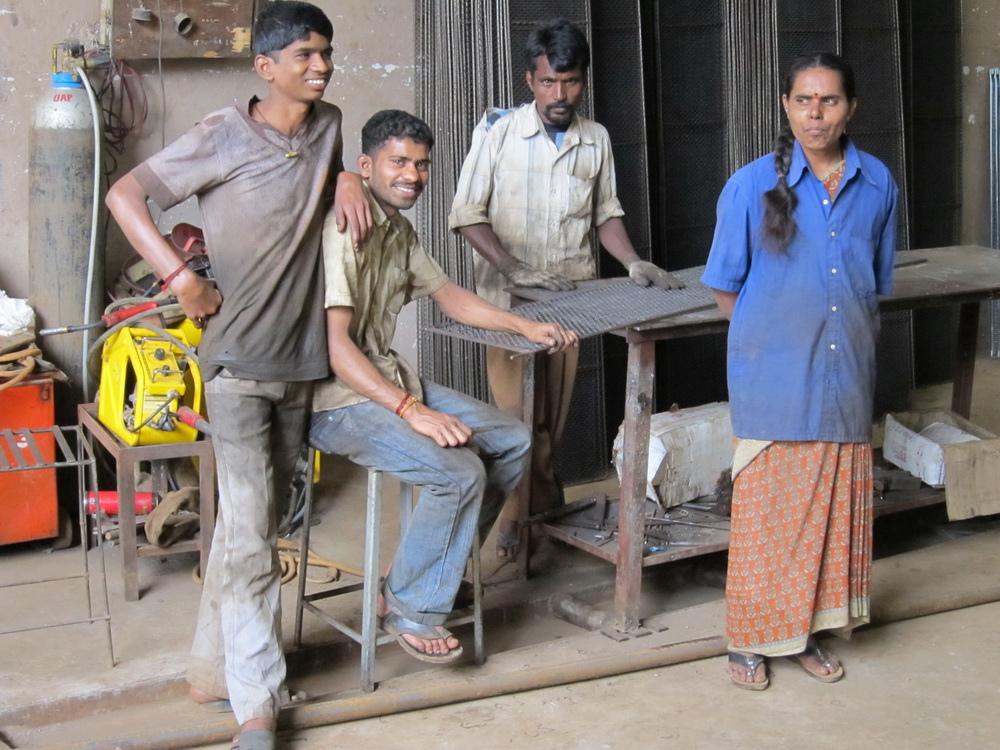
The Industrial Association in the Firozabad district of Uttar Pradesh, India approved an unprecedented three days paid leave for male employees who undergo non-scalpel vasectomy (NSV) services.
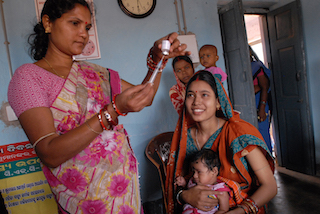
Three community health centers in the Jhansi district of Uttar Pradesh, India initiated “fixed day services” (FDS)—ensuring that quality female sterilization services are available on a designated day every week, all year long.
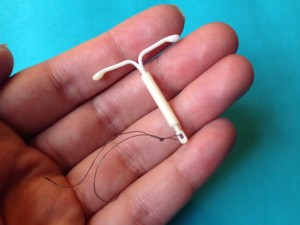
After three community health centers in in Agra district, Uttar Pradesh, India began providing postpartum intra-uterine contraceptive device (IUD) services, each of the facilities recorded a significant service uptake – 21% in Barauli Aheer, 15% in Bichpuri, and 10% in Kheragarh respectively.+ Between December 2015 to March 2017, a total of 5,939 women delivered at these facilities and, of those women, 895 chose an IUD as their postpartum family planning method.
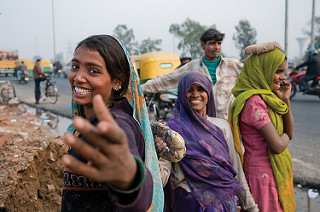
This year, all 52 Urban Primary Health Centers serving the 3.1 million people in Lucknow district, Uttar Pradesh, India began offering intra-uterine contraceptive device (IUCD) insertion services. Between January and September 2016, 2,836 women received IUCD insertions.